Understanding the Basics of Aluminium Fabrication
Aluminium fabrication is a crucial process that transforms raw aluminium into various functional components used in multiple industries. From creating structural elements for buildings to crafting intricate designs for everyday items, understanding the fundamentals of aluminium fabrication is essential for homeowners and contractors alike. With companies like Al Taher Group offering extensive Aluminium fabrication services since 1984, it is clear that this expertise has significant value.
What is Aluminium Fabrication?
Aluminium fabrication involves several processes that modify the raw form of aluminium into useful products. These processes can include cutting, bending, welding, machining, and assembling. The versatility of aluminium makes it an ideal material for various applications, including construction, automotive, aerospace, and consumer goods. The key characteristics of aluminium, such as its lightweight nature, durability, and resistance to corrosion, make it a preferred material for many fabricators.
Common Methods in Aluminium Fabrication
There are several techniques used in aluminium fabrication, each serving unique purposes. Common methods include:
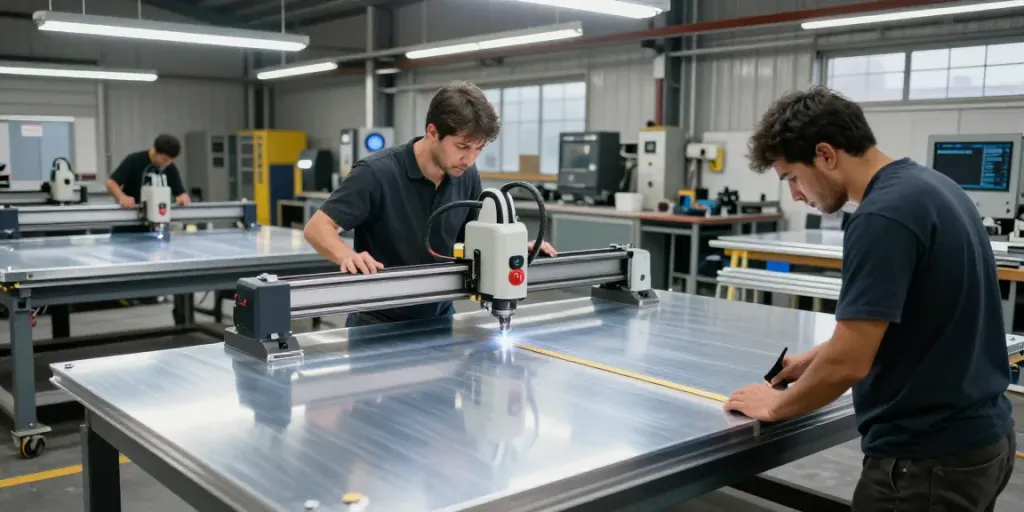
- Cutting: This process can be performed using saws, lasers, or water jets to achieve precise dimensions.
- Bending: Techniques such as press braking and roll bending help shape aluminium into desired forms.
- Welding: MIG (Metal Inert Gas) welding and TIG (Tungsten Inert Gas) welding are popular methods to join aluminium parts.
- Machining: This involves using tools to remove material and create precise components.
- Assembly: Finally, different parts are joined together to create the final product through fastening or further welding.
Materials Used in Aluminium Fabrication
The primary material in aluminium fabrication is, of course, aluminium itself, which comes in various forms such as sheets, plates, extrusions, and bars. Each form serves different applications, from structural components to intricate designs. Additionally, coatings such as powder coating are often applied to enhance corrosion resistance and aesthetic appeal, making the end products more durable and visually appealing.
The Importance of In-House Aluminium Fabrication
Opting for in-house aluminium fabrication offers distinct advantages over outsourcing these processes, particularly for quality control and efficiency. Companies like Al Taher Group showcase the benefits of managing every step of production under one roof, providing consistent quality and reliability.
Benefits of In-House Fabrication vs. Outsourcing
In-house fabrication allows for tighter control over the entire production process, which translates to several benefits, including:
- Quality Assurance: By handling the fabrication internally, companies can maintain stringent quality standards throughout the manufacturing process.
- Reduced Lead Times: In-house operations eliminate delays associated with coordinating between different suppliers and contractors.
- Cost Savings: While there may be initial investment costs, the long-term savings on outsourcing can be significant due to reduced transportation and subcontracting fees.
Quality Control in Aluminium Fabrication
Quality control is paramount in aluminium fabrication. Companies that run their own operations can implement rigorous testing and quality assurance protocols at every stage. This includes inspecting raw materials, monitoring fabrication processes, and conducting final inspections of the completed products to ensure they meet the required standards.
Cost Implications of In-House Fabrication
In-house fabrication can offer more predictable pricing. With the entire process managed internally, costs are transparent and itemized, making it easier for clients to understand exactly where their money is going. Additionally, companies can adapt and revise any aspect of the fabrication process without incurring additional costs from third-party vendors.
Best Practices for Successful Aluminium Fabrication Projects
Successful aluminium fabrication projects require careful planning and execution. Below are some best practices that can help ensure a smooth process.
Planning and Design Considerations
Before starting any fabrication project, it's essential to have a well-defined plan. This includes detailed drawings and specifications that outline the dimensions, materials, and finishes required. Engaging with fabricators early in the design phase can help identify potential challenges and streamline the manufacturing process.
Technology and Tools for Efficient Fabrication
Investing in advanced fabrication tools and technology can enhance productivity and precision. Automated cutting machines, CNC (Computer Numerical Control) milling machines, and robotic welding systems can significantly improve manufacturing efficiency and accuracy.
Safety Measures in Aluminium Fabrication
Safety should be a top priority in any fabrication workshop. Adequate training, proper use of personal protective equipment (PPE), and adherence to safety protocols can help prevent accidents and injuries, ensuring a safer working environment for all employees.
Challenges in Aluminium Fabrication and How to Overcome Them
While aluminium fabrication offers numerous advantages, it is not without its challenges. Addressing these issues proactively can lead to successful outcomes.
Addressing Common Fabrication Issues
Common challenges in aluminium fabrication include warping, weld quality issues, and dimensional inaccuracies. Implementing precise fabrication techniques and conducting regular training can help minimize these issues and enhance the reliability of the products.
Material Handling Challenges
Handling aluminium materials, especially large sheets and extrusions, require careful coordination and equipment to prevent damage. Using appropriate lifting tools and ensuring proper training for staff involved in material handling can mitigate risks and enhance safety.
Staying Updated with Industry Trends
The aluminium fabrication industry is continually evolving. Staying updated on the latest technological advancements and materials innovations is vital for any fabricator aiming to remain competitive in the market.
Future Trends in Aluminium Fabrication for 2026 and Beyond
The aluminium fabrication industry is poised for numerous changes in the coming years, driven by technological advancements and shifting consumer demands.
Emerging Technologies in Aluminium Fabrication
Technologies such as additive manufacturing (3D printing) and artificial intelligence (AI) are beginning to transform traditional fabrication methods. These innovations can enhance efficiency, reduce waste, and allow for more complex designs that were previously unattainable.
Eco-Friendly Practices in Aluminium Manufacturing
With a growing emphasis on sustainability, many manufacturers are adopting eco-friendly practices. This includes using recycled aluminium, reducing energy consumption in the fabrication process, and implementing waste reduction strategies.
Market Predictions for Aluminium Fabrication Demand
Industry experts predict an increasing demand for aluminium fabrication across various sectors, particularly in construction, automotive, and aerospace. As more businesses recognize the benefits of aluminium, the market is expected to see continued growth.
How to Choose the Right Aluminium Fabricator for Your Project?
Selecting the right aluminium fabricator is critical to the success of any project. Considerations should include the fabricator's experience, quality control measures, past projects, and the ability to manage in-house operations. Look for positive customer reviews and a portfolio that reflects their capability to deliver on time and to specification.
What are the costs involved in aluminium fabrication?
The costs of aluminium fabrication can vary widely based on several factors, including the complexity of the design, the types of materials used, and the specific fabrication processes required. Obtaining detailed quotes and itemized estimates from multiple fabricators can help in comparing prices and understanding the market rate.
What industries benefit most from aluminium fabrication?
Industries that benefit significantly from aluminium fabrication include construction, automotive, aerospace, packaging, and consumer goods. The material's flexibility and performance make it suitable for a diverse range of applications.
How can I ensure the quality of my aluminium fabrication?
To ensure high-quality outcomes, it is essential to work closely with your fabricator throughout the project. Establish clear communication, request regular updates, and outline detailed specifications to minimize misunderstandings and ensure satisfaction with the final product.
What innovations are transforming the aluminium fabrication industry?
Innovations such as advanced robotic systems, AI-powered design software, and enhanced material science are transforming the aluminium fabrication landscape. These advancements not only improve efficiency and accuracy but also enable new design possibilities that can benefit both manufacturers and consumers.